The Silence of the Soul: Finding Voice in Solitude
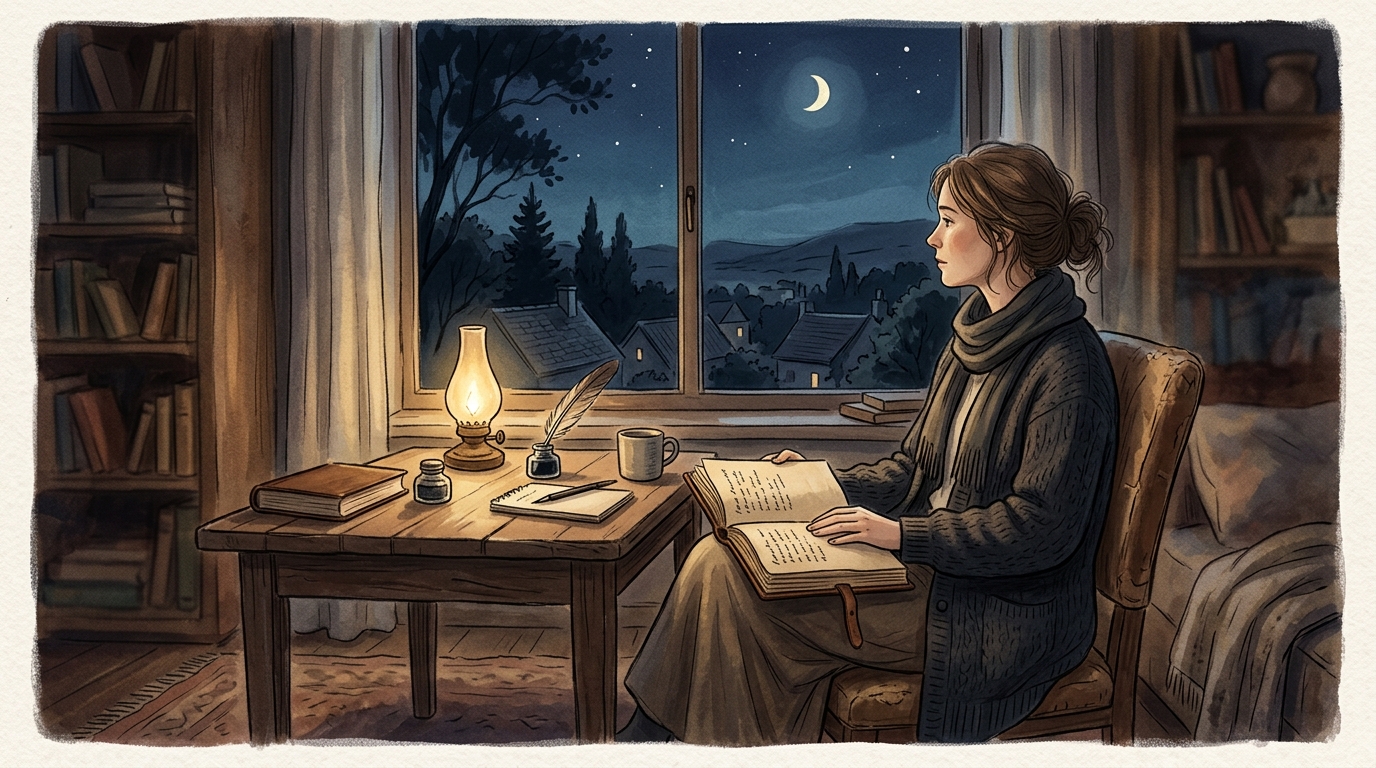
Quiet nights often bring a unique kind of introspection, where the hustle of the day fades, and the echoes of the soul become louder. For many, this silence can amplify feelings of loneliness. Yet, it is in these very moments that poetry, especially the timeless ghazals and shers of Urdu, offers a profound companionship. These verses don't just describe loneliness; they embody it, offering a shared experience that makes solitude feel less isolating.
Why Poetry Matters for the Lonely Heart
Urdu poetry, with its rich tapestry of emotion and philosophy, has always been a refuge for the contemplative mind. Unlike other forms of expression, ghazals and shers delve deep into the human condition, exploring themes of love, loss, existential yearning, and of course, loneliness, with unparalleled nuance. They provide not just words, but a mirror reflecting our innermost feelings, validating them, and transforming them into something beautiful and relatable. In the quiet of the night, these verses become a comforting presence, whispering understanding and empathy.
Key Texts and Examples from the Masters
The great masters of Urdu poetry, such as Mirza Ghalib and Mir Taqi Mir, have eloquently captured the essence of loneliness. Consider this profound couplet by Ghalib, which speaks to a sense of being unheard or misunderstood, a common facet of loneliness:
Ghalib on the Anguish of Misunderstanding
हर एक बात पे कहते हो तुम कि तू क्या है
तुम्हीं कहो कि ये अंदाज़-ए-गुफ़्तगू क्या है
_Har ek baat pe kehte ho tum ki tu kya hai,
Tumhīn kaho ki ye andaaz-e-guftugu kya hai_
(On every single thing, you tell me what I am to you;
Tell me yourself, what kind of conversation is this?)
This sher (couplet) from the ghazal "Har Ek Baat Pe Kahte Ho Tum Ki Tu Kya Hai" by Mirza Ghalib (Poet ID: ghalib, Couplet ID: har-ek-baat-pe-kahte-ho-tum-ki-tuu-kyaa-hai-mirza-ghalib-ghazals--001) expresses the pain of feeling dismissed or lectured, rather than truly engaged with. It highlights a common aspect of loneliness: the yearning for genuine connection and understanding, which is often met with dismissive rhetoric. This sense of being perpetually questioned and undervalued can deepen one's feeling of isolation.
Mir Taqi Mir on the Unseen Pain
Mir Taqi Mir, often called the 'God of Poetry,' frequently explored themes of sorrow and the solitary state. His verses often carry a poignant weight that resonates deeply with those experiencing loneliness:
जब जा फँसा कहीं तो हमें याँ हुई ख़बर
रखता है कौन दिल तिरी इतनी ख़बर कि हम
_Jab ja phansa kahin to hamein yahan hui khabar
Rakhata hai kaun dil tiri itni khabar ki hum_
(When I get caught somewhere, who will know of it here?
Who keeps such an account of your heart's news, that we [are left]?)
This couplet from the ghazal "Kya Bulbul Aseer Hai Be-Baal-O-Par Ki Hum" by Mir Taqi Mir (Poet ID: mir, Couplet ID: mir-taqi-mir-ghazals-100-mir-ghazals--007) poignantly captures the feeling of being unnoticed and forgotten. The poet wonders who would even care about his predicament, highlighting a deep sense of insignificance and isolation. This sentiment is a cornerstone of existential loneliness, where one feels adrift without anyone truly invested in their well-being.
The Lament of the Soul
Another couplet by Mir speaks to the difficulty of expressing one's internal state:
कहाँ से तह करें पैदा ये नाज़िमान-ए-हाल
कि पोच-बाफ़ी ही है काम इन जुलाहों का
_Kahān se tah karein paida ye nāzimān-e-hāl,
Ki poch-bāfī hī hai kām in julāhon kā_
(From where should I weave this poem of my condition,
When the weavers of these threads are only skilled in patching?)
From the ghazal "Rahe Khayal Tanik Hum Bhi Ru-Siyahon Ka" by Mir Taqi Mir (Poet ID: mir, Couplet ID: rahe-khayaal-tanik-ham-bhii-ruu-siyaahon-kaa-meer-taqi-meer-ghazals-20-mir-ghazals--007), this verse expresses a profound sense of despair. The poet laments the inability to articulate the depth of his sorrow, feeling that any attempt to describe his 'condition' would only result in a superficial 'patchwork' rather than a true representation. This frustration with inarticulacy can compound feelings of loneliness, as the inability to communicate one's pain further isolates the individual.
Emotional Meaning: A Shared Burden
What makes these shers and ghazals so powerful is their ability to articulate the nuanced layers of loneliness. It's not just the absence of others, but the feeling of being misunderstood, unseen, or unable to express one's true self. The poets, through their masterful craft, transform these private pains into universal truths. Reading their verses, one feels a profound connection across centuries, realizing that this deeply human experience has been felt, articulated, and immortalized by the greatest minds. This shared understanding provides a strange, comforting solace in moments of solitude.
Cultural and Historical Context of Loneliness in Urdu Poetry
In classical Urdu poetry, especially ghazal, themes of separation (firaq), yearning (ishq-e-haqiqi or ishq-e-majazi), and the ephemeral nature of life often intertwine with loneliness. Poets like Mir, known for his melancholic disposition, were masters at portraying the desolate inner landscape. This wasn't merely personal lament but often a reflection of broader societal, spiritual, or philosophical isolation. The beloved (Maashooq) is often distant or unattainable, symbolizing not just a human lover but also the divine, or even an idealized state that remains elusive. This historical context enriches the modern understanding of these verses, showing loneliness as a multifaceted experience deeply embedded in the human quest for connection and meaning.
Modern Interpretation: Finding Connection in Disconnection
Even in our hyper-connected world, loneliness remains a pervasive experience. These ancient verses resonate today more than ever. They remind us that human emotions are timeless and universal. When we read Ghalib's frustration at being misunderstood or Mir's quiet lament, we find a voice for our own unspoken feelings. In a digital age where 'connection' can often feel superficial, turning to these profound expressions of solitude can ironically help us feel more connected to humanity's shared emotional journey. They invite us to embrace reflection, to understand our own loneliness not as a void, but as a space for profound personal insight.
Aural Comfort: The Soothing Power of Ghazal Recitations
For those quiet nights, there is immense comfort in not just reading, but listening to ghazals. The melodic recitation or soulful singing of these verses can enhance their emotional impact, creating an immersive experience that soothes the lonely heart. Seek out recordings by renowned ghazal singers or recitations by masters of poetry; their interpretations can add new layers of understanding and solace to these timeless words.