The Unexpected Resonance of Ancient Verses
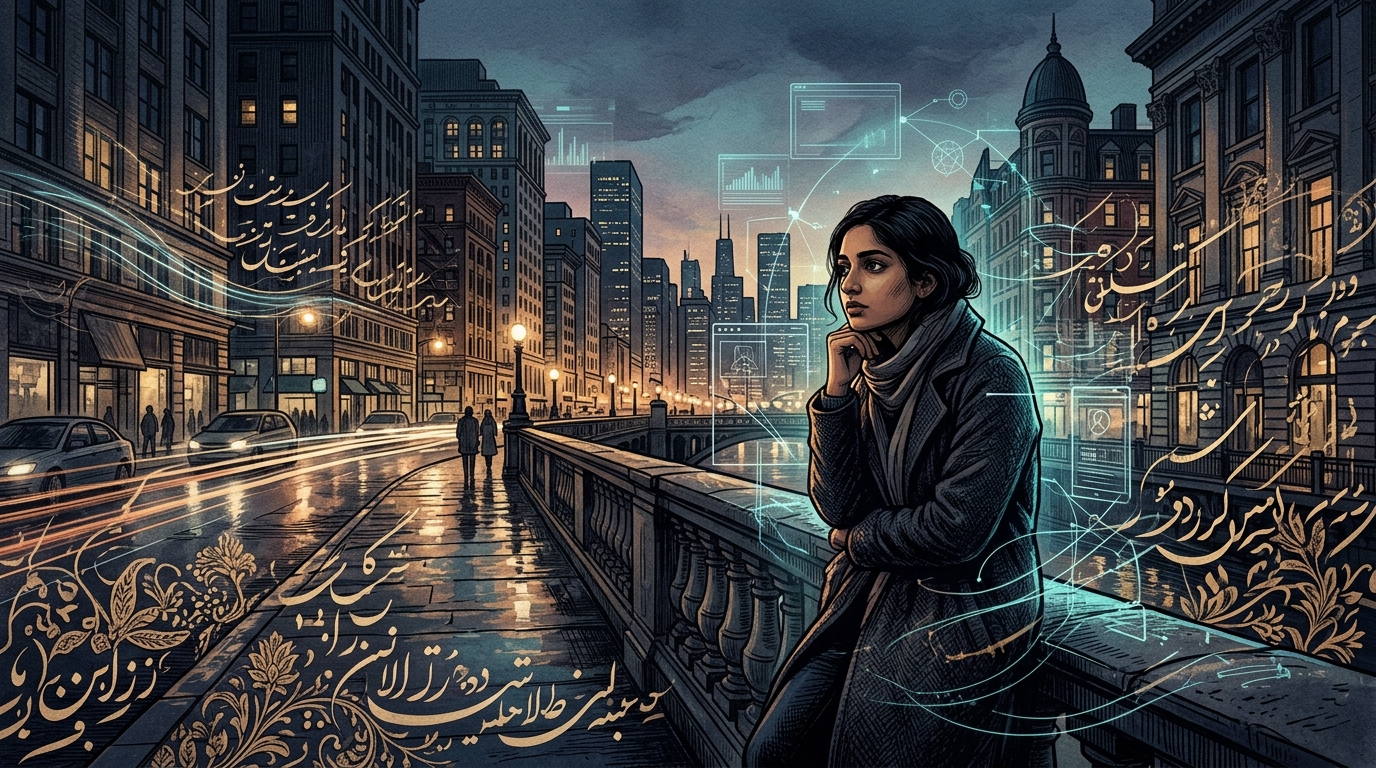
In a world buzzing with instant messages, fleeting social media trends, and endless digital noise, it might seem counterintuitive to seek solace in centuries-old poetry. Yet, ghazals – a poetic form originating in Arabic poetry and thriving in Persian, Urdu, and other languages – continue to speak to us with startling clarity. Their timeless themes of love, separation, longing, and philosophical introspection transcend the boundaries of time and technology, offering a profound sense of relatability even in our hyper-connected digital age.
Why Ghazals Matter Now More Than Ever
Ghazals, with their intricate structure and profound emotional depth, offer a unique lens through which to understand the universal human experience. They delve into the nuances of the heart, the complexities of relationships, and the existential questions of life, which remain constant regardless of technological advancements. In an age where digital interactions often feel superficial, ghazals provide a depth of emotion and thought that is both refreshing and deeply satisfying, allowing us to connect with feelings that are often left unarticulated in our fast-paced lives.
Echoes of Modern Longing and Disconnection
The feeling of yearning, waiting for a response, or experiencing a fleeting connection is as old as humanity itself. Consider this poignant couplet by Mirza Ghalib, capturing the essence of prolonged anticipation:
"हम ने माना कि तग़ाफ़ुल न करोगे लेकिन
ख़ाक हो जाएँगे हम तुम को ख़बर होते तक"
(Hum ne maana ki taghaaful na karoge lekin
Khaak ho jaayenge hum tum ko khabar hote tak)
This translates to: 'We acknowledge you won't neglect, yet, alas, We'll turn to dust ere your awareness comes to pass.' This speaks volumes about the frustration of waiting, a feeling many can relate to when anticipating a text, email, or a response on social media. Similarly, Mir Taqi Mir articulates a sense of fleeting presence or missed connection:
"तस्वीर के मानिंद लगे दर ही से गुज़री
मज्लिस में तिरी हम ने कभू बार न पाया"
(Tasveer ke maanind lage dar hi se guzri
Mazlis mein tirī ham ne kabū bār na pāyā)
Meaning: 'Like a photograph, the passage of your presence was seen, In the gathering, we never found your sight.' This perfectly captures the feeling of witnessing someone's digital 'presence' without true interaction, or the fleeting nature of online encounters.
Simple Explanations for Profound Feelings
Ghalib's couplet on neglect isn't just about literal waiting; it’s a metaphor for the agony of unacknowledged affection or efforts. It highlights how the passage of time can render even eventual recognition meaningless if it comes too late. Mir's verse, on the other hand, describes a superficial encounter – seeing someone but not truly connecting, akin to scrolling through someone's social media feed without a genuine conversation. These couplets distill complex emotional states into universally understandable imagery, making them accessible to modern readers seeking to articulate their own feelings of longing and detachment.
The Emotional Heartbeat: From Then to Now
The emotional core of ghazals lies in their raw honesty. They explore the spectrum of human emotion, from intense love and ecstatic joy to profound sorrow, despair, and existential angst. In our digitally mediated lives, where carefully curated personas often hide vulnerabilities, ghazals offer an authentic space for these deeper emotions. They validate our feelings of longing for genuine connection, the quiet reflection on personal failings, and the often-unspoken loneliness that can paradoxically flourish amidst constant digital chatter. For instance, Ghalib's introspective query:
"का'बा किस मुँह से जाओगे 'ग़ालिब'
शर्म तुम को मगर नहीं आती"
(Ka'ba kis munh se jaoge 'Ghalib'
Sharm tum ko magar nahin aati)
Which means: 'Ghalib, with what face will you go to the Kaaba? But it seems shame does not come to you.' This reflection on one's own character and moral standing resonates with contemporary struggles of authenticity and self-assessment in an age of public scrutiny.
Cultural Roots and Timeless Themes
Ghazals emerged from a rich cultural tapestry of courtly love, Sufi mysticism, and philosophical inquiry in the Persianate world, later flourishing in the Indian subcontinent. While the immediate context often involved a beloved (human or divine), the emotional landscape explored — separation (firaq), union (visaal), longing (hasrat), and introspection (fikr) — remains universal. These themes were not confined to a specific era but are inherent to the human condition, making them perpetually relevant. The art of ghazal lies in expressing these profound truths within a concise, melodious structure.
Modern Interpretations for the Digital Native
For digital natives, ghazals can be a powerful tool for self-reflection and emotional literacy. The 'beloved' of a ghazal might be interpreted as a person, a dream, a career goal, or even a sense of inner peace. The longing for connection, the pain of being overlooked, or the self-doubt expressed by poets like Ghalib and Mir can easily be mapped onto experiences with online dating, social media validation, professional aspirations in a competitive digital space, or even the quest for meaning in a constantly shifting digital landscape. They offer a language for emotions that digital tools often struggle to convey.
Discover the Melodies of the Soul
Beyond the written word, ghazals come alive through their musical renditions. Exploring ghazals through audio can deepen your appreciation for their rhythm and emotional impact. Many classic ghazals by legends like Ghalib and Mir have been beautifully sung by renowned artists, allowing the poetry to envelop you in its mood. We encourage you to explore the extensive collection of ghazals on Sukhan AI, where you can listen to and delve into the meaning of these timeless verses, finding your own connection to their enduring wisdom.