Sukhan AI
Moods· 6 min read

Heartbreak and Separation: Exploring Sorrow in Indian Poetry

A Sukhan AI guide to heartbreak and separation poetry, linked to real shers and ghazals from Mir Taqi Mir, Mirza Ghalib, and Bulleh Shah.

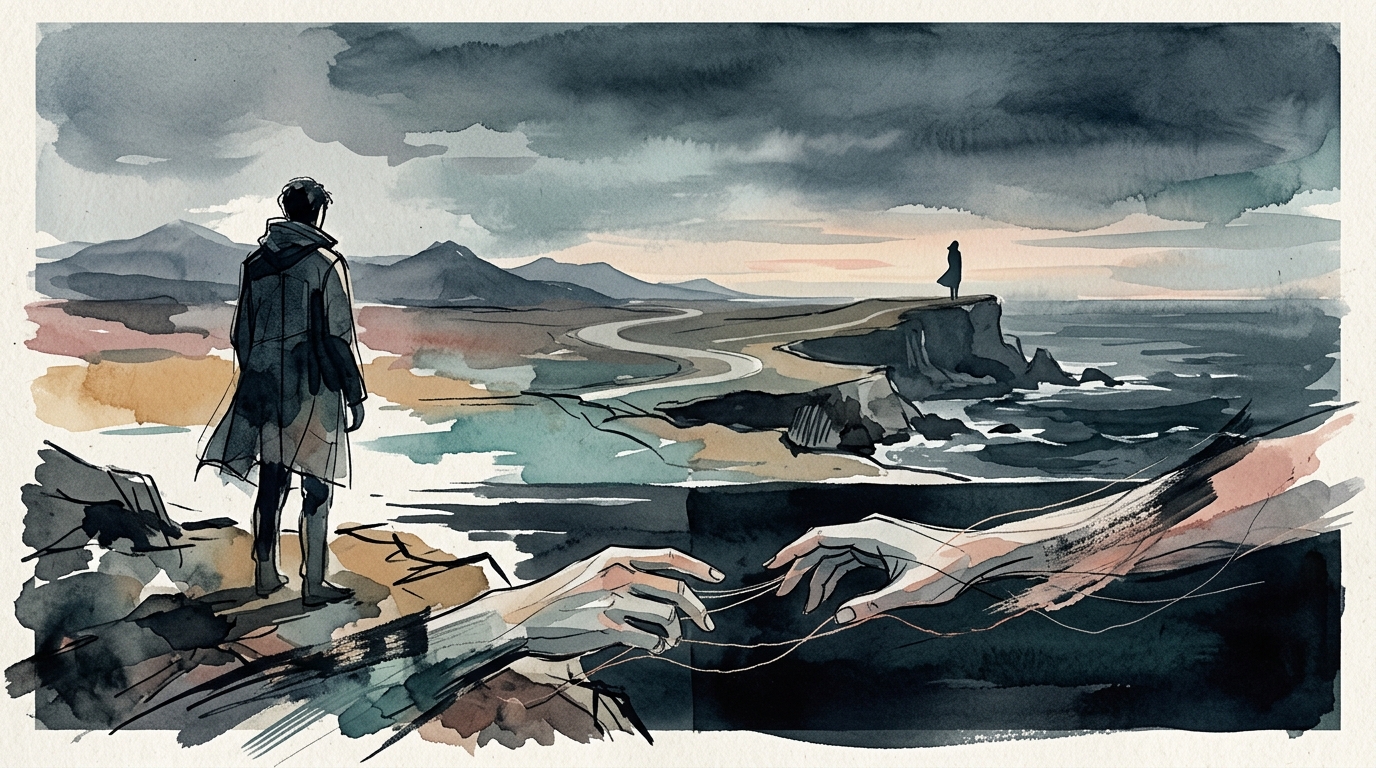
An abstract illustration symbolizing heartbreak and separation, using soft, melancholic colors and imagery like a distant horizon or slowly parting hands.

Heartbreak in Indian poetry is not only romance

In the Sukhan AI archive, heartbreak appears as ishq, hijr, firaq, memory, spiritual distance, and the quiet ache of waiting. A broken heart in a ghazal is rarely just a private wound. It becomes a way to speak about longing for a beloved, distance from the divine, loss of certainty, and the strange dignity of continuing to feel deeply.

Mir Taqi Mir turns longing into a nightly ritual

Mir often writes as if the lover is still walking toward the beloved, even when hope is fragile. One related sher says: शब उस के कूचे में जाता हूँ इस तवक़्क़ो' पर कि एक दोस्त है वाँ ख़्वाब पासबाँ मेरी The image is tender: even separation has a geography, a lane, a night, and a dream that must be protected. This is why Mir remains one of the essential poets of heartbreak.

Ghalib makes love feel like an illness of intensity

Ghalib’s poetry often treats love as something that changes the body and mind. In the related Ghalib sher, the speaker says: हज़ारों दिल दिये जोश-ए-जुनून-ए-इश्क़ ने मुझ को सियह हो कर सुवैदा हो गया हर क़तरा-ए-ख़ूँ तन में The point is not simple sadness. Ghalib shows heartbreak as excess: too much feeling, too much thought, too much life inside one person.

Bulleh Shah widens separation into spiritual yearning

In Punjabi and Sufi traditions, the absent beloved can be human, divine, or both. The related Bulleh Shah archive text keeps the original Punjabi/Roman form: Ratee bhonkon bass na karday Fayr ja larraa which sutay, tay to utay This matters because Indian poetry does not always separate romantic pain from spiritual hunger. The ache of being away from someone can become the ache of being away from truth, home, or the self.

How to read these shers on Sukhan AI

Start with the original lines first, even when you are reading an English explanation. Then read the simple meaning and emotional interpretation. Notice recurring images: night, lanes, illness, dreams, thirst, waiting, and the beloved’s absence. If audio is available, listen after reading; hearing a sher often makes its pauses and emotional pressure clearer than text alone.

Why heartbreak poems still feel modern

Modern readers may not live in the world of old mushairas, royal courts, or Sufi gatherings, but the emotional situation is familiar: a message unanswered, a person missed, a city remembered, a silence that becomes heavy. The language is old; the feeling is current. That is the reason these poems keep returning in songs, reels, conversations, and late-night listening.

Explore in Sukhan AI

This article is linked to poems, poets, and couplets from the Sukhan AI archive.

Related shers

19) Ratee bhonkon bass na karday 20) Fayr ja larraa which sutay, tay to utay
The gentle breeze does not break the heart, The departing beloved, who sleeps, will surely wake.
Bulleh Shah · Main Jana Jogi De Naal
जो इफ़रात-ए-उल्फ़त है ऐसा तो आशिक़ कोई दिन में बरसों का बीमार होगा
If the intoxication of love is such a thing, O lover, Some will be ill for years, even in a single day.
Mir Taqi Mir · जो तू ही सनम हम से बे-ज़ार होगा
शब उस के कूचे में जाता हूँ इस तवक़्क़ो' पर कि एक दोस्त है वाँ ख़्वाब पासबाँ मेरी
I go to the lanes of that Beloved, on this very moment, Because I know that there, a friend guards my dreams.
Mir Taqi Mir · रही न-गुफ़्ता मिरे दिल में दास्ताँ मेरी
हज़ारों दिल दिये जोश-ए-जुनून-ए-इश्क़ ने मुझ को सियह हो कर सुवैदा हो गया हर क़तरा-ए-ख़ूँ तन में
Thousands of hearts the fervor of love's madness bestowed upon me;Each drop of blood in my body turned black, becoming the heart's suveda.
Mirza Ghalib · नहीं है ज़ख़्म कोई बख़िये के दर-ख़ुर मिरे तन में

FAQs

Which poets in Sukhan AI are good for heartbreak and separation poetry?

Start with Mir Taqi Mir for delicate longing, Mirza Ghalib for intense inner conflict, and Bulleh Shah for spiritual separation. This article links related shers and ghazals from those poets in the Sukhan AI archive.

What is hijr in Urdu and Indian poetry?

Hijr means separation from the beloved. In ghazals it can describe romantic distance, emotional absence, spiritual longing, or the pain of waiting for union.

Should an English explanation translate the original sher?

It can explain the sher in English, but the poetry quotation should remain in its original language or script first. Transliteration and meaning can follow after that.

Are heartbreak ghazals only about romantic love?

No. In Indian, Urdu, Punjabi, Bhakti, and Sufi traditions, separation can also mean distance from God, homeland, memory, truth, or the self.

Can I listen to these poems on Sukhan AI?

Yes. Many ghazals and shers on Sukhan AI include recitation, meaning, explainer audio, or song versions where available.